“Eat more fiber.” It’s one of the most common pieces of nutrition advice for improving digestion, especially if you’re dealing with bloating, constipation, sluggish elimination, or gut discomfort.
For many people, increasing fiber feels like the obvious solution.But here’s what most people don’t realize: Not all fiber works the same way, and adding more without understanding it can sometimes make symptoms worse instead of better.
Different types of fiber play different roles in the body. Some feed beneficial gut bacteria, some help move waste through the digestive tract, and others support the gut lining and help calm inflammation.
The goal isn’t just to eat more fiber. It’s to choose the right high-fiber foods that actually support digestion, and in this post, I’m sharing 10 that truly make a difference.
10 High Fiber Foods
If you’ve ever been told to “just eat more fiber” but still struggle with bloating or sluggish digestion, you’re not alone. Not all high-fiber foods work the same, and some can actually make digestion feel worse if your gut isn’t supported properly. In this post, I’m sharing 10 high-fiber foods that truly support digestion, helping to nourish your gut, promote regularity, and feel good in your body without the discomfort.

Fibers That Feed the Microbiome
These fibers act as prebiotics, meaning they serve as fuel for beneficial gut bacteria. When microbes ferment these fibers, they produce short-chain fatty acids that help support gut lining integrity and reduce inflammation.
1. CHIA SEEDS
~10g fiber per 2 tablespoonsChia seeds are rich in soluble fiber, which forms a gel-like texture when hydrated.
That gel slows digestion and regulates how quickly food moves through the digestive tract. It also feeds beneficial gut bacteria, which ferment fiber and produce short-chain fatty acids such as butyrate, compounds associated with improved gut barrier integrity and reduced inflammation.
In simple terms, chia helps create a digestive environment that is slower, smoother, and more stable.
If you’re not a fan of the texture of chia seeds, try blending them with liquid to make a chia mousse. The result is much creamier, so you get all the benefits without the tiny granules. I have four different ways I like to make chia mousse if you need some inspiration.
Chia Recipes To Try: High Protein Chia Pudding (No Protein Powder Needed), Mango Coconut Chia Mousse, 10-Minute Raspberry Chia Jam

2. Lentils
Lentils provide a combination of soluble fiber, insoluble fiber, and resistant starch, making them particularly helpful for digestive regularity.
Resistant starch escapes digestion in the small intestine and becomes fuel for beneficial gut microbes in the colon. That fermentation process supports microbial diversity and the production of short-chain fatty acids that help maintain colon health.
Easy way to eat it
• Lentil soups
• Lentil salads
• Lentil breakfast bowls
Lentil Recipes To Try: Olive Herb Lentil Bread, Coconut Carrot Lentil Soup, Baked Chicken and Rice with Lentils, Eggplant Lasagna With Lentils

3. Artichokes
Artichokes are one of the richest dietary sources of inulin, a prebiotic fiber that selectively feeds beneficial bacteria such as Bifidobacteria.
Research shows that inulin consumption can significantly increase populations of these beneficial microbes while improving stool frequency and overall digestive comfort.
Think of artichokes as fertilizer for your gut microbiome.
Easy way to eat it
• Steamed artichokes
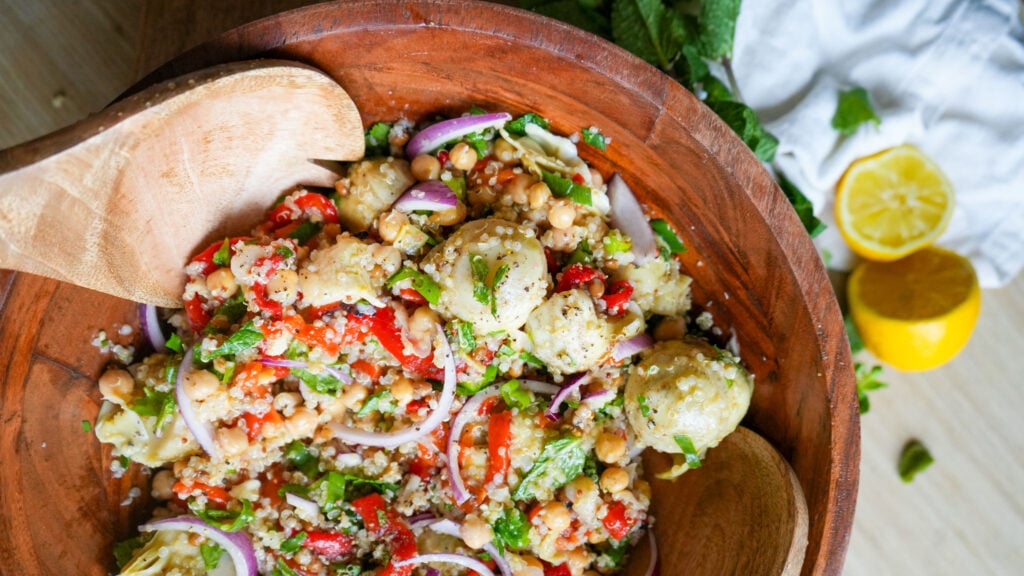
• Artichoke salads
• Added to pasta or grain bowls
Artichoke Recipes To Try: Artichoke Salad (12g fiber per serving), Spinach Artichoke Pizza, Plant-Based Spinach Artichoke Frittata
Fibers That Support Gut Lining & Metabolic Stability
These fibers slow digestion, regulate glucose absorption, and help create a more stable digestive environment.
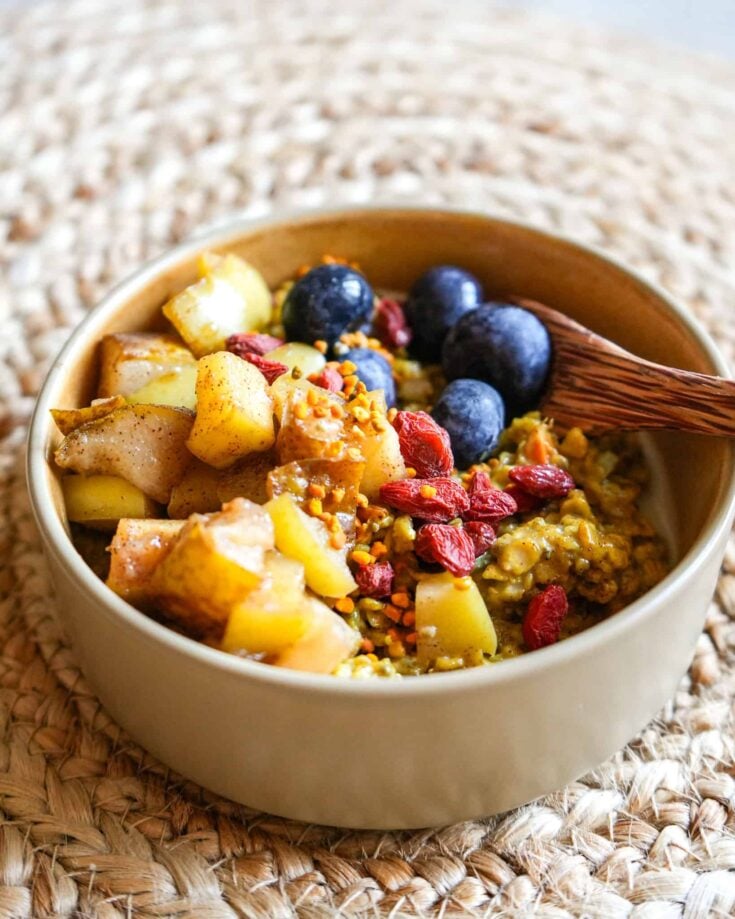
4. Oats (Especially Fermented Oats) ~4g fiber per ½ cup dry oatsOats contain beta-glucan, a soluble fiber known for supporting both digestive and metabolic health.
Beta-glucan forms a viscous gel during digestion that slows gastric emptying and helps regulate glucose absorption. When food leaves the stomach more slowly, glucose enters the bloodstream at a steadier pace instead of all at once. This helps prevent sharp blood sugar spikes and crashes, which often translates into more stable energy and longer-lasting fullness.
Fermenting oats before cooking can improve mineral absorption and reduce phytic acid, making them even easier to digest. I personally love making fermented oats. It’s one simple extra step that makes all the difference in how they digest.
Easy way to eat it
• Fermented overnight oats
• Savory oat bowls
• Steel-cut oatmeal with protein
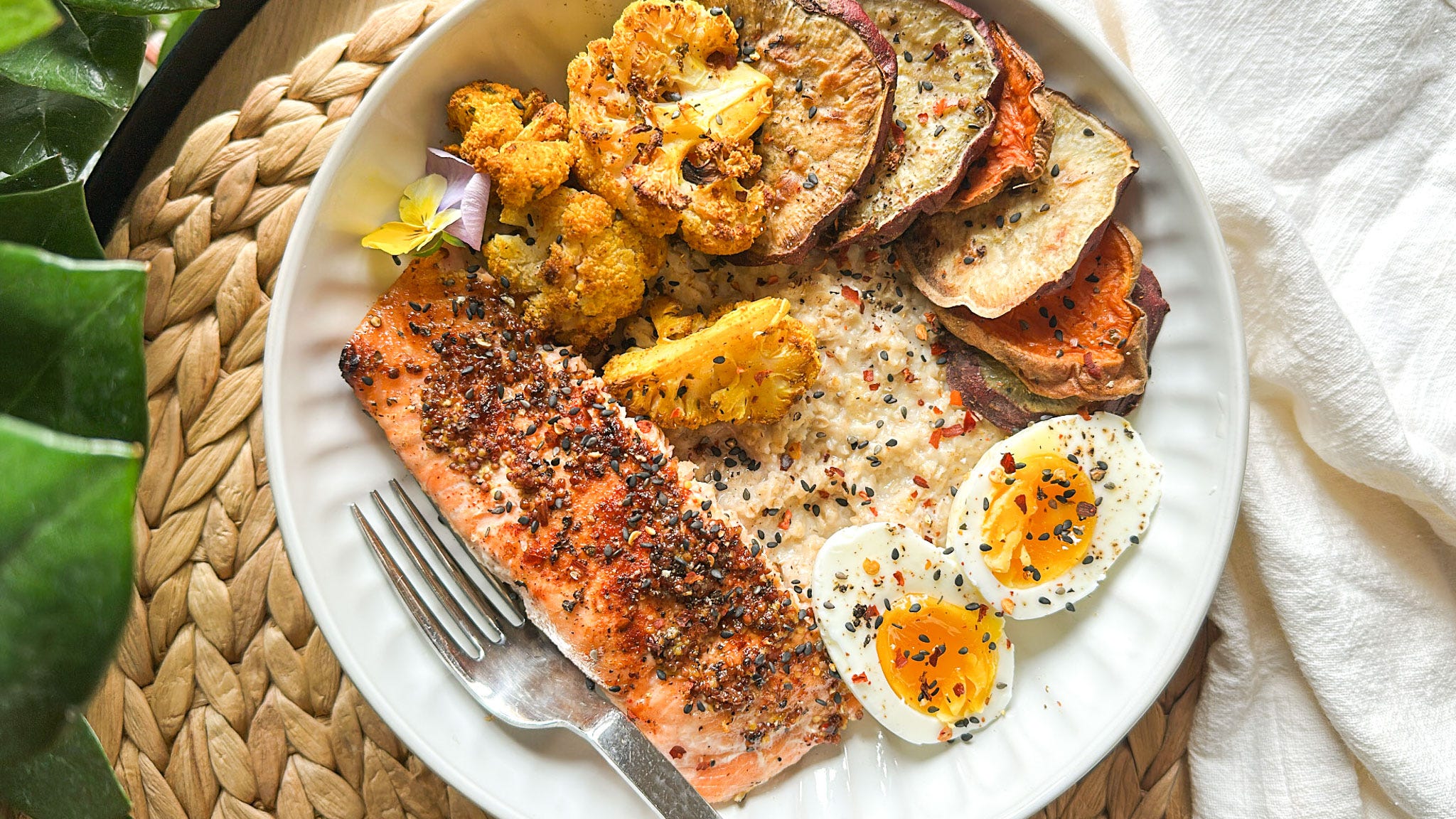
Oatmeal Recipes To Try: Fermented Oats (And why you should be fermenting your oatmeal), Golden Turmeric Oatmeal, Savory Oatmeal with Salmon and Sweet Potatoes, Baked Blueberry Oatmeal

5. Buckwheat
Buckwheat is a naturally gluten-free seed that provides fiber along with resistant starch and polyphenols.
These compounds help support microbial fermentation in the gut while also providing antioxidant benefits. Buckwheat is also rich in rutin, a flavonoid studied for its protective effects on blood vessels and metabolic health.
Because buckwheat is minimally processed compared to most refined grains, it tends to digest more slowly and feel more grounding, making it a particularly satisfying option for people trying to stabilize energy and support gut health.
Easy way to eat it
• Buckwheat porridge
• Buckwheat waffles
• Buckwheat grain bowls
Buckwheat Recipes To Try: Buckwheat Granola, Buckwheat Waffles (4g fiber per waffle), Buckwheat Pancakes

6. Sauerkraut
Sauerkraut provides both fiber and fermentation.
The cabbage itself supplies fiber that supports digestive movement, while the fermentation process introduces beneficial microbes that help increase gut diversity. During fermentation, bacteria begin breaking down some of the plant fibers and natural sugars in the cabbage, making the food easier to digest while also introducing live microbes such as Lactobacillus, Leuconostoc, and Pediococcus. These bacteria are commonly found in fermented vegetables and are associated with a more diverse and resilient gut microbiome.
Fermented vegetables have been associated with improved microbiome diversity and reduced markers of inflammation in the gut environment.⁶ Because of that, fermentation has become one of my favorite tools for supporting digestion. I’m a bit obsessed with it and share beginner-friendly fermentation videos here on Substack every Friday.
Easy way to eat it
• Add to breakfast bowls
• Serve with meats or salads
• Top roasted vegetables
Sauerkraut Recipes To Try: Fermentation 101 - The Essential Sauerkraut Recipe, Ginger Turmeric Sauerkraut

7. Berries
Berries provide fiber along with polyphenols, plant compounds that beneficial gut microbes can metabolize. These polyphenols act almost like a selective fertilizer for certain bacteria and may help improve microbial diversity while supporting metabolic health.
Berries also tend to be lower in sugar and higher in fiber than many fruits, making them easier on digestion. Their fiber helps slow the absorption of natural sugars, which can prevent sharp blood sugar spikes and the energy crashes that often follow.
Easy way to eat it
• Yogurt bowls
• Smoothies
• Overnight oats

Fibers That Support Regular Elimination
These fibers add bulk and hydration to stool, helping food move more smoothly through the digestive tract and supporting regular bowel movements. In practical terms, this means less sluggish digestion, fewer episodes of constipation, and a digestive rhythm that feels more predictable instead of irregular.
8. Flax Seeds ~8g fiber per tablespoonFlax seeds contain both soluble fiber and mucilage, which help soften stool and support smoother movement through the digestive tract. Mucilage is a type of plant fiber that becomes thick and gel-like when it absorbs water. In foods like flax seeds, it forms a slippery coating during digestion that helps keep stool hydrated and easier to pass, supporting more comfortable and regular elimination.
In simple terms, mucilage acts a bit like a natural lubricant for the digestive tract, helping support smoother and more regular bowel movements.
Flax seeds are also rich in lignans, plant compounds that may support anti-inflammatory pathways and metabolic health.
Easy way to eat it
• Ground flax in smoothies
• Add to oatmeal
• Sprinkle into yogurt bowls
Flax Seed Recipes To Try: 3-Ingredient Flax Seed Wraps, Quinoa Overnight Porridge
Beans are one of the most powerful foods for improving digestive regularity.
They contain fermentable fibers and resistant starch that feed beneficial microbes while increasing stool bulk.
Regular legume consumption has been associated with improved gut microbiome diversity and better bowel function.⁹ The key is introducing them gradually so the microbiome has time to adapt.
Easy way to eat it
• Bean soups
• Bean salads
• Added to grain bowls
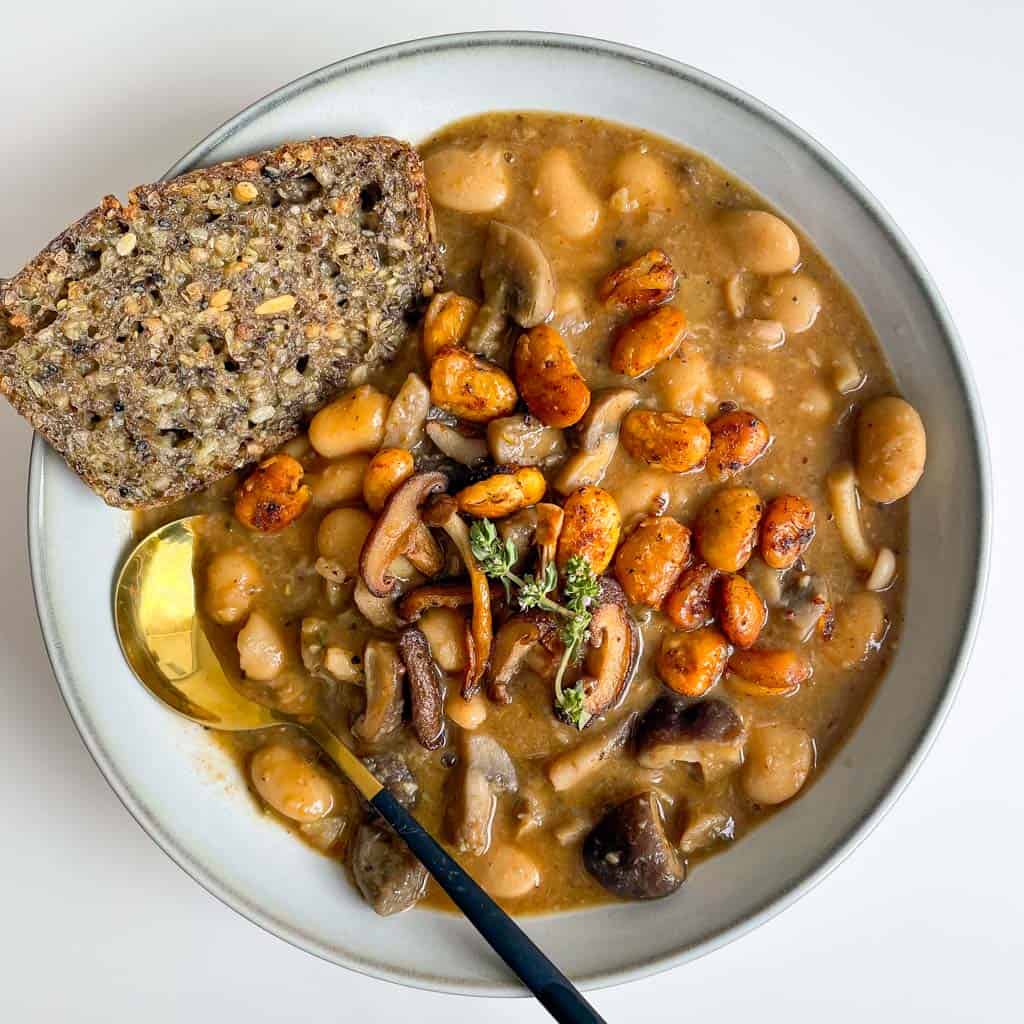
Bean Recipes To Try: White Bean Mushroom Soup, Warm Roasted Veggie Salad With White Bean Puree, White Bean Quinoa Chili

10. Sweet Potatoes
Sweet potatoes contain both soluble fiber and resistant starch, particularly when cooked and then cooled.
This combination helps support digestive movement while also feeding beneficial microbes in the colon. Resistant starch fermentation has been linked to improved gut health and metabolic outcomes.
Easy way to eat it
• Roasted sweet potato bowls
• Breakfast hash
• Mashed sweet potatoes
Sweet Potato Recipes To Try: Loaded Sweet Potato Nachos, Sweet Potato Bread, Sweet Potato Hummus
The goal isn’t just to eat more fiber.
It’s to eat a wider variety of fibers that support the gut in different ways.
Improving digestion isn’t about randomly adding fiber supplements or chasing the newest gut health trend. It’s about building diversity and balance over time.
Different fibers support different parts of the digestive system. Some feed the microbiome. Some help food move through the digestive tract. Others help stabilize blood sugar and create a more resilient gut environment.
When you consistently include a variety of these foods in your meals, digestion tends to become more predictable. Bloating often reduces, elimination becomes more regular, and energy feels steadier throughout the day.
The goal isn’t perfection. It’s variety and consistency.
So tell me, which of these high fiber foods are already part of your routine, and which ones do you want to start adding more often? Let me know in the comments.

Don’t forget to leave a comment and ⭐️⭐️⭐️⭐️⭐️ star rating down below if you try this recipe! Subscribe to my newsletter and follow along on Instagram for more recipes and updates.








Such good list! I try to reach my fiber goals daily. I find adding psyllium husk to my smoothies helps!