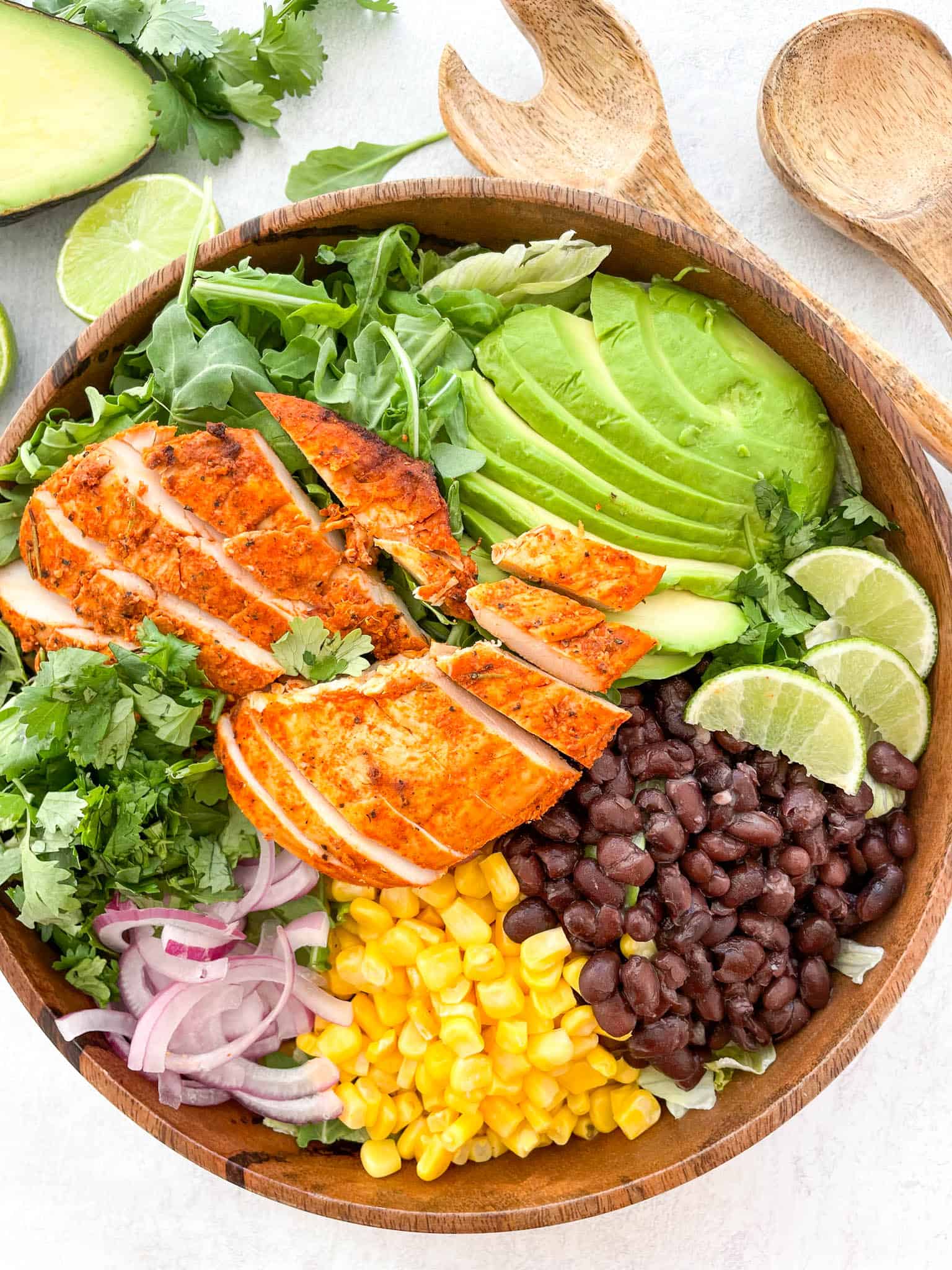
For decades, breakfast advice has largely centered around sweet, carbohydrate-heavy foods. Cereal, pastries, flavored yogurt, pancakes, and fruit smoothies have become the typical morning routine in many households.
These foods can give you a quick burst of energy, but they often fall short nutritionally. Many of them are low in protein and fiber, two nutrients that play a major role in keeping blood sugar stable and helping you feel full. Without that balance, it is common to feel hungry again not long after eating.
Instead of focusing on sugary or refined carbohydrates, many experts now emphasize balanced breakfasts that include protein, fiber, and healthy fats. These combinations help regulate blood sugar, improve satiety, and support long-term metabolic health.
One of the most effective ways to build this kind of breakfast is by shifting away from traditional “breakfast foods.” A savory, nutrient-dense meal that looks more like lunch or dinner can often provide a stronger nutritional foundation.
This approach may feel unconventional at first, but it aligns closely with how the body regulates hunger, energy, and digestion.
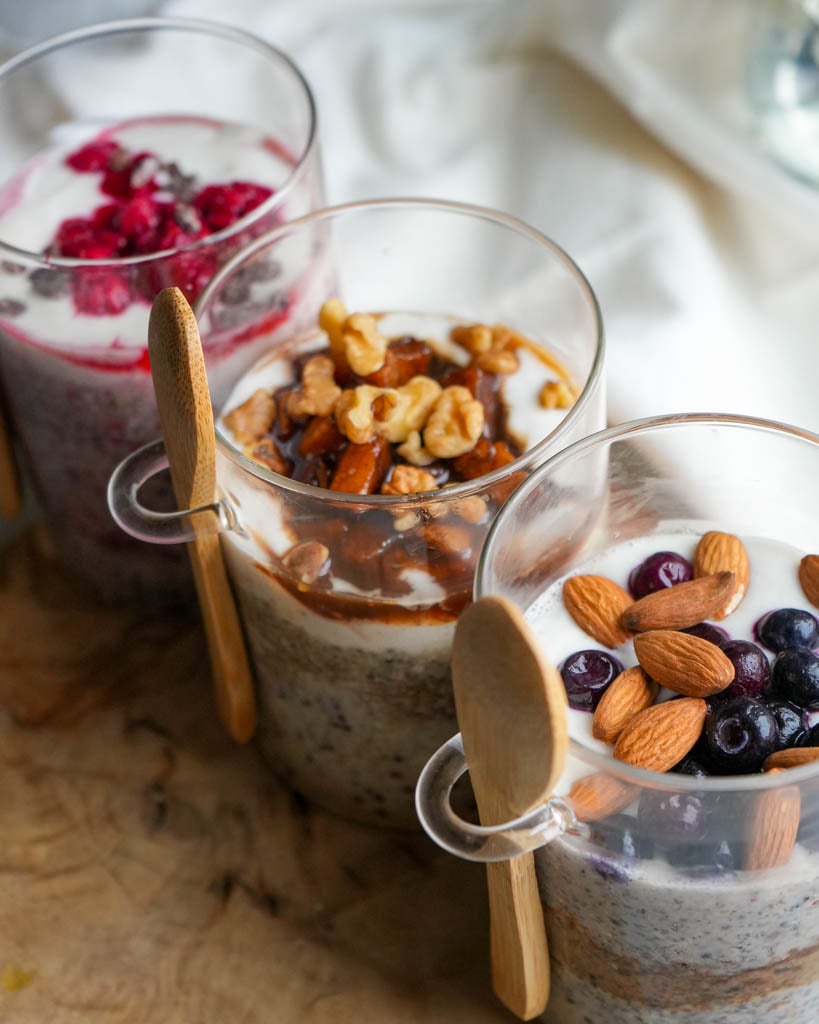
What You Really Should Be Eating
Two words: PROTEIN AND FIBER
Why Protein? After going all night without eating, your body needs protein to help repair tissues, support metabolism, and keep you feeling full. Research shows that eating about 20 to 30 grams of protein in the morning can help reduce hunger and cravings later in the day.
Why Fiber? Fiber slows down digestion, which helps prevent blood sugar spikes and crashes. It also feeds the beneficial bacteria in your gut, which play a big role in digestion and overall health.
What’s Wrong With Most Conventional Breakfast Options?
Many common breakfast foods are built almost entirely around refined carbohydrates and sugar, and those foods do not contain much protein. A bowl of cereal, a baked croissant, or a slice of toast might taste good, but it often leaves you feeling hungry again an hour later.
Without enough protein or fiber, these foods digest very quickly. This causes blood sugar to rise rapidly and then drop soon after, which then sends signals to your body that you’re hungry, even if you ate not long ago.

That is why many people feel hungry just one or two hours after breakfast. They may find themselves reaching for a snack, another coffee, or something sweet to boost their energy again. It becomes a cycle of quick energy followed by another crash.
Adding foods like eggs, yogurt, salmon, chicken, or beans can make breakfast far more satisfying and help keep your energy steady. You can also try making you’re own favorites at home using more nutrient dense ingredients like almond flour, buckwheat, or quinoa.

One Easy Swap Is Savory Oatmeal
One simple way to upgrade your breakfast is by turning traditional sweet oatmeal into a savory meal. Oats are already a great base because they are rich in fiber, particularly beta-glucan, a type of soluble fiber that has been shown to support heart health, improve cholesterol levels, and help regulate blood sugar.
The difference comes down to how you prepare them. Instead of cooking oats in water or milk and topping them with sugar or sweet fruit, savory oatmeal is made more like a balanced meal, similar to a grain bowl.

How To Switch From Sweet Oatmeal To Savory Oatmeal
Savory oatmeal is a simple way to turn traditional oats into a balanced, nutrient-dense breakfast. Instead of preparing oats with sweet toppings, this version focuses on protein, fiber, and healthy fats to support steady energy and digestion.
Here is how to build a nourishing savory oatmeal bowl:
- Cook the oats in broth. Use chicken broth or bone broth instead of water. This adds minerals, amino acids, and a rich savory flavor to the oats. I love making my own homemade bone broth and using it whenever I make grains.
Pro tip: season your oats while they cook with spices like cumin, salt, pepper, turmeric, or paprika to add depth and warmth. - Add a protein source. Aim for about 4-5 oz of cooked protein such as salmon, grilled chicken, ground turkey, or steak. This helps increase satiety and keeps your energy steady throughout the morning. Plant-based options like tempeh, tofu, lentils, or beans also work well.
- Add a slow-digesting carbohydrate if you like. Roasted sweet potatoes are a great option and bulk up the dish. They provide complex carbohydrates and fiber that help support steady energy.
- Add vegetables. This is a great way to use leftovers from the night before. Quick options like sautéed spinach, mushrooms, roasted cauliflower, or peppers work well and add fiber, vitamins, and texture.
- Optional, but it makes the bowl feel more “breakfast-like.” Add a soft or hard-boiled egg on top. Eggs provide additional protein, healthy fats, and nutrients like choline that support brain health.
- Finish with extra toppings. Try a drizzle of olive oil, fresh herbs, avocado, fermented vegetables like sauerkraut, chili flakes, or a squeeze of lemon to brighten the flavors and add even more nutrients.
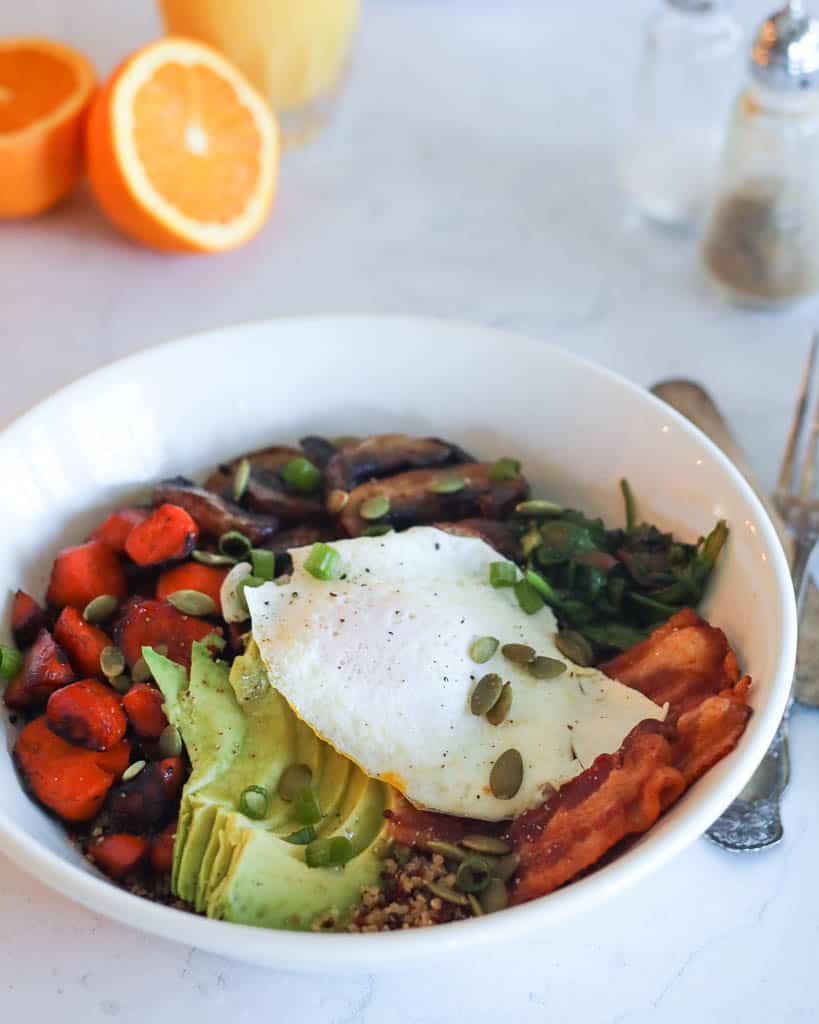

Savory Oatmeal Bowl with Salmon, Sweet Potatoes, and Egg
Ingredients
To Cook Oatmeal
- 1/2 cup Old Fashioned Rolled Oats
- 1 cup Broth of Choice (I like to use Bone Broth) (or use 1/2 broth, 1/2 water)
- Salt and Pepper Optional
Toppings For Oatmeal Bowl
- 4-5 oz Cooked Salmon or protein of choice
- 1 Large Egg, soft boiled
- 1/2 cup Roasted Sweet Potato
- 1/2 cup Roasted Vegetables like Cauliflower, Peppers or sauteed spinach
Optional Toppings
- 1 tbsp Pesto
- 1 tsp Sesame Seeds or Hemp Seeds
- Red Crushed Pepper
Instructions
- Cook the oats. In a small saucepan, bring the broth to a gentle boil. Add the oats along with a pinch of salt, pepper, and any optional spices such as cumin, turmeric, or paprika. Reduce heat and simmer for about 5 minutes, stirring occasionally, until the oats are creamy and cooked through.
- Warm the toppings. While the oats cook, warm the roasted sweet potatoes and veggies in a pan or microwave until heated through. If the salmon is not already warm, gently heat it as well.Prepare the egg.Soft boil or hard boil the egg according to your preference. Slice in half once cooked. Scrambled eggs work great as well.
Assemble The Bowl
- Spoon the savory oats into a bowl. Arrange the roasted sweet potatoes, cauliflower, and salmon on top. Place the halved egg on the bowl for additional protein and richness.Finish with toppings.Drizzle with olive oil if desired and add any optional toppings such as pesto, avocado, herbs, sauerkraut, chili flakes, or a squeeze of lemon.
Notes
Nutrition
Don’t forget to leave a comment and ⭐️⭐️⭐️⭐️⭐️ star rating down below if you try this recipe! Subscribe to my newsletter and follow along on Instagram for more recipes and updates.